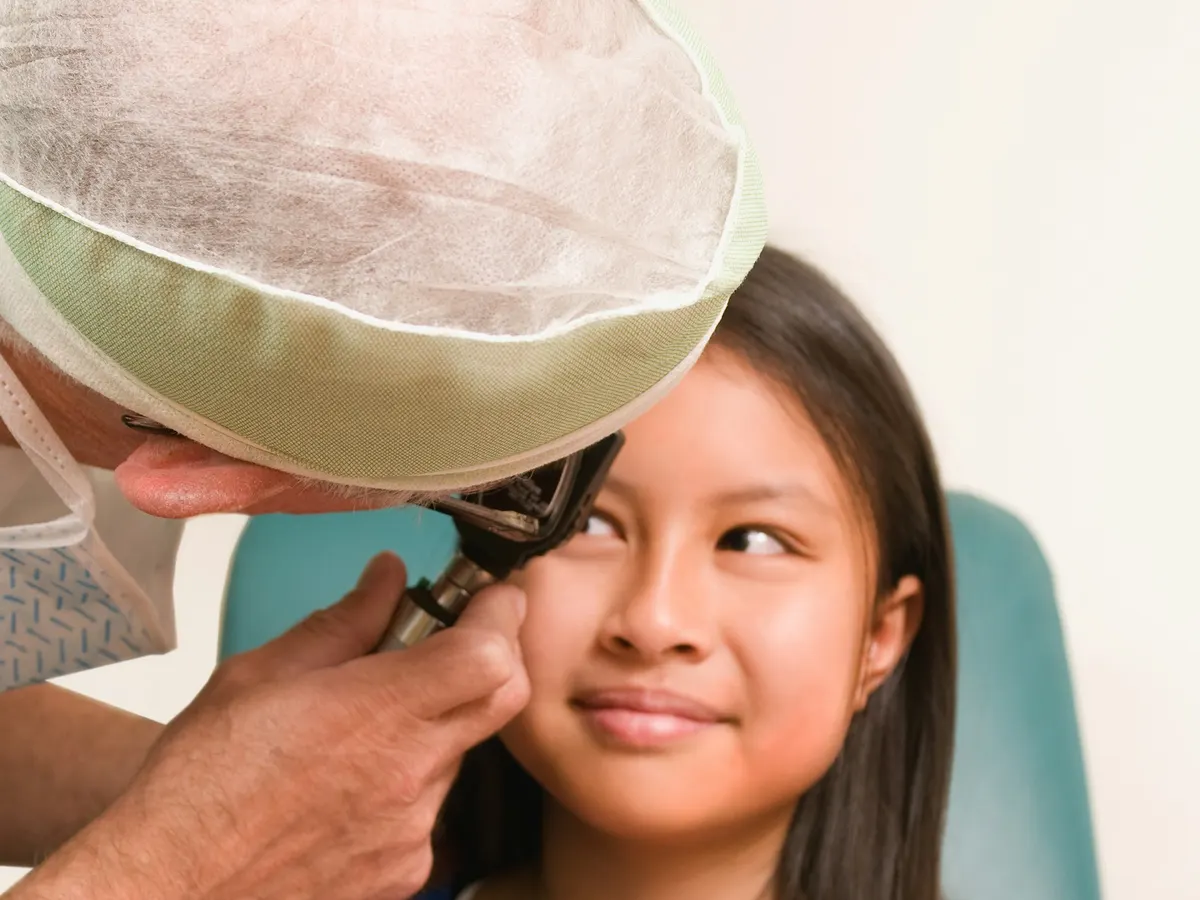
About Children’s Eye Care
Paediatric ophthalmology focuses on diagnosing, treating and managing eye conditions in babies, children and teenagers. Common concerns include squints, lazy eye (amblyopia), the need for glasses and eye allergies.
- An eye that turns in, out, up or down
- Squinting, eye rubbing or tilting the head
- Sitting very close to the TV or screens
- Difficulty reading or at school
What to expect at your visit
Examinations are adapted to your child’s age. Early eye examinations help identify vision problems before they progress.
Depending on the cause: glasses, patching or drops for a lazy eye, treatment for allergies, or strabismus (squint) surgery. A squint is not only a cosmetic concern: untreated, it can lead to a lazy eye, so early assessment matters.
When to book an appointment
Your child’s paediatrician may refer you if they notice a concern. You can also book directly if you are worried.
Call the practice straight away, or go to your nearest emergency unit, if you have sudden loss or change of vision, a new shower of floaters or flashes of light, a shadow across your vision, severe eye pain, or an eye injury.
Child eye care and screen time: finding a healthy balance
In today’s digital world, children are exposed to screens from an increasingly early age. While technology offers tremendous educational and entertainment benefits, parents and healthcare providers are concerned about the potential impact of extensive screen time on children’s eye health and vision development. This article explores the relationship between screen use and paediatric eye health, offering evidence-based recommendations for maintaining healthy vision.
Understanding digital eye strain in children
Digital eye strain, sometimes called computer vision syndrome, affects children differently than adults. Children may not recognise or report symptoms such as:
- Blurred vision
- Eye fatigue or soreness
- Headaches
- Dry or irritated eyes
- Difficulty concentrating
- Increased sensitivity to light
Children are particularly vulnerable because their visual systems are still developing, and they often lack awareness of proper ergonomics and viewing habits. Additionally, children tend to become deeply absorbed in digital activities, often forgetting to blink regularly, which contributes to eye dryness and fatigue.
How screen time affects developing eyes
Blue light exposure
Digital devices emit blue light, which has raised concerns about potential long-term effects on eye health. While research is still evolving, some studies suggest prolonged blue light exposure may:
- Disrupt sleep patterns by suppressing melatonin production
- Potentially contribute to digital eye strain
- Theoretically increase risk of retinal damage with very prolonged exposure
Current research hasn’t conclusively demonstrated that blue light from screens causes permanent eye damage, but precautionary measures may still be beneficial, especially for children who have decades of screen use ahead of them.
Near work and myopia development
Perhaps more concerning than blue light is the relationship between extensive near work (close-up visual tasks like reading or screen use) and myopia (nearsightedness) development. Research has shown:
- The prevalence of myopia has increased significantly in recent decades, paralleling the rise in digital device use
- Children who spend more time on near work activities show higher rates of myopia progression
- Limited outdoor time is associated with increased myopia risk
Experts believe the combination of extended focus on close objects and reduced exposure to natural outdoor light may alter normal eye development in children.
Practical guidelines for healthy screen use
The 20-20-20 rule
Teach children the 20-20-20 rule: every 20 minutes, look at something at least 20 feet away, for at least 20 seconds. This simple practice helps reduce eye strain by allowing the focusing muscles to relax periodically.
Appropriate screen time limits
The American Academy of Pediatrics recommends:
- Children under 18 to 24 months: avoid screen time except for video chatting
- Children 2 to 5 years: limit to 1 hour per day of high-quality programming
- Children 6 and older: consistent limits on time and types of media
Optimal viewing conditions
- Position screens at an appropriate distance (arm’s length) and angle (slightly below eye level)
- Ensure adequate lighting without glare on screens
- Consider adjusting screen brightness and contrast for comfort
- Use appropriate text size to reduce squinting
Encourage outdoor time
Research consistently shows that spending time outdoors may help protect against myopia development. Aim for at least 1 to 2 hours of outdoor activity daily, which provides exposure to natural light and encourages focusing at varied distances.
When to seek professional eye care
Regular paediatric eye examinations are essential for all children, but especially for heavy screen users. Schedule comprehensive eye exams:
- At birth and during well-baby check-ups
- At age 3
- Before starting school (around age 5 to 6)
- Every 1 to 2 years throughout school age, or as recommended by your eye care provider
Parents should promptly consult an eye care professional if a child demonstrates:
- Frequent eye rubbing or blinking
- Squinting or head tilting to see better
- Complaints of headaches or eye pain
- Difficulty concentrating on visual tasks
- Declining academic performance
Balancing technology and eye health
The goal isn’t necessarily to eliminate screen time but rather to establish healthy digital habits. Consider these balanced approaches:
- Create screen-free zones (like bedrooms) and screen-free times (like meals)
- Model healthy screen habits as parents and caregivers
- Prioritise age-appropriate, high-quality content
- Balance screen activities with physical play, creative pursuits, and face-to-face social interaction
- Consider screen settings that reduce blue light exposure, especially before bedtime
Conclusion
As digital devices become increasingly integrated into education and daily life, teaching children to use technology responsibly becomes essential for protecting their vision. By implementing practical strategies to minimise eye strain, limiting excessive screen time, encouraging outdoor activities, and seeking regular professional eye care, parents can help ensure their children’s visual systems develop optimally despite the digital demands of modern life.
Remember that prevention is always preferable to treatment when it comes to preserving healthy vision. The habits established in childhood often persist into adulthood, making early intervention particularly valuable for long-term eye health.